
Remote sites · UK
Waterless toilets for cabins, garden rooms and allotments
Plan a waterless toilet for a cabin, garden room or allotment: permissions, peak use, winter conditions, ventilation and access for servicing.
Quick answer
For a cabin or allotment, start with permission and a confirmed disposal route. Then plan around peak visitors, the longest unattended period, seasonal conditions and the person responsible for servicing.
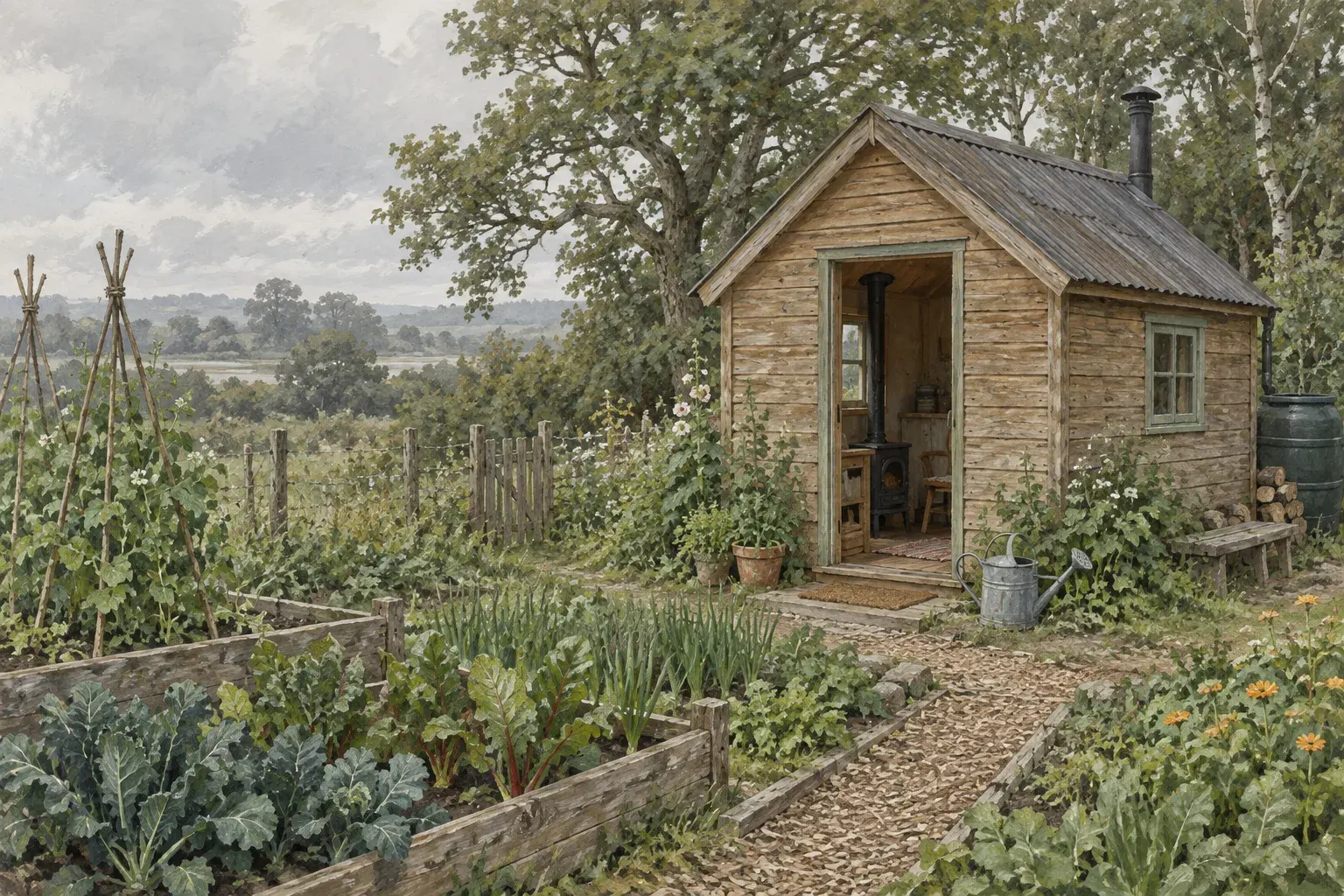
Remote buildings can make a waterless toilet attractive, but “off-grid” does not mean rule-free or maintenance-free. The right system depends on occupancy, winter conditions and who will manage it between visits.
Confirm permission and disposal first
Planning, building, environmental health and allotment rules vary by location and project. Establish what approvals apply and obtain a clear lawful route for outputs before choosing equipment.
Do not assume that material leaving a toilet is immediately suitable for unrestricted garden use. Product processing claims and local waste requirements are separate questions.
Model irregular demand
Occasional sites often experience short peaks followed by long unattended periods. Record maximum visitors, event days and the longest gap before someone can inspect the system.
Choose reserve capacity and containment for that pattern rather than an average week.
Design for the seasons
Freezing temperatures can affect liquids, ventilation and cleaning. Heat can intensify odour or dry material unevenly. Check the manufacturer’s operating range and plan drainage or storage accordingly.
If a fan is required, determine whether power is continuous and what happens when batteries are depleted. Solar generation should be assessed for the darkest expected season, not only summer.
Make servicing straightforward
Provide safe lighting, handwashing, protective equipment, cleaning materials and an unobstructed container-removal route. Secure the building against unauthorised use if unattended capacity is limited.
Leave clear instructions
Post simple operating guidance for visitors without promising that behaviour alone prevents every problem. Record inspection dates and consumable levels. A robust remote installation is one that a nominated person can understand and maintain consistently.
Continue your planning
Work through your own plan
Off-grid toilet running-cost calculator
What will the toilet cost to operate under your usage pattern?
Campervan toilet space planner
Will the toilet fit and can you still remove the container?
Off-grid toilet chooser
Which toilet categories deserve a closer look for your installation?
Toilet emptying-interval estimator
Can the liquid container reach the next servicing opportunity?
Toilet fan battery calculator
Does the fan’s allocated battery cover the period without charging?
Cover-material consumption calculator
How much cover material should you buy beyond the stock you have?
Off-grid toilet installation checklist builder
What must be resolved before fitting this toilet?
Continue planning
Related guides

Portable toilet comparison
Best portable composting toilet for a campervan: keep the trip simple
Capacity planning
Waterless toilet capacity: estimate a realistic emptying interval
Campervan toilet service access