
Separating toilet cleaning and care · EU
Clean a separating toilet with a component-by-component plan
Turn the exact toilet manual into a practical cleaning card for the separator, liquid container, solids container and small parts.
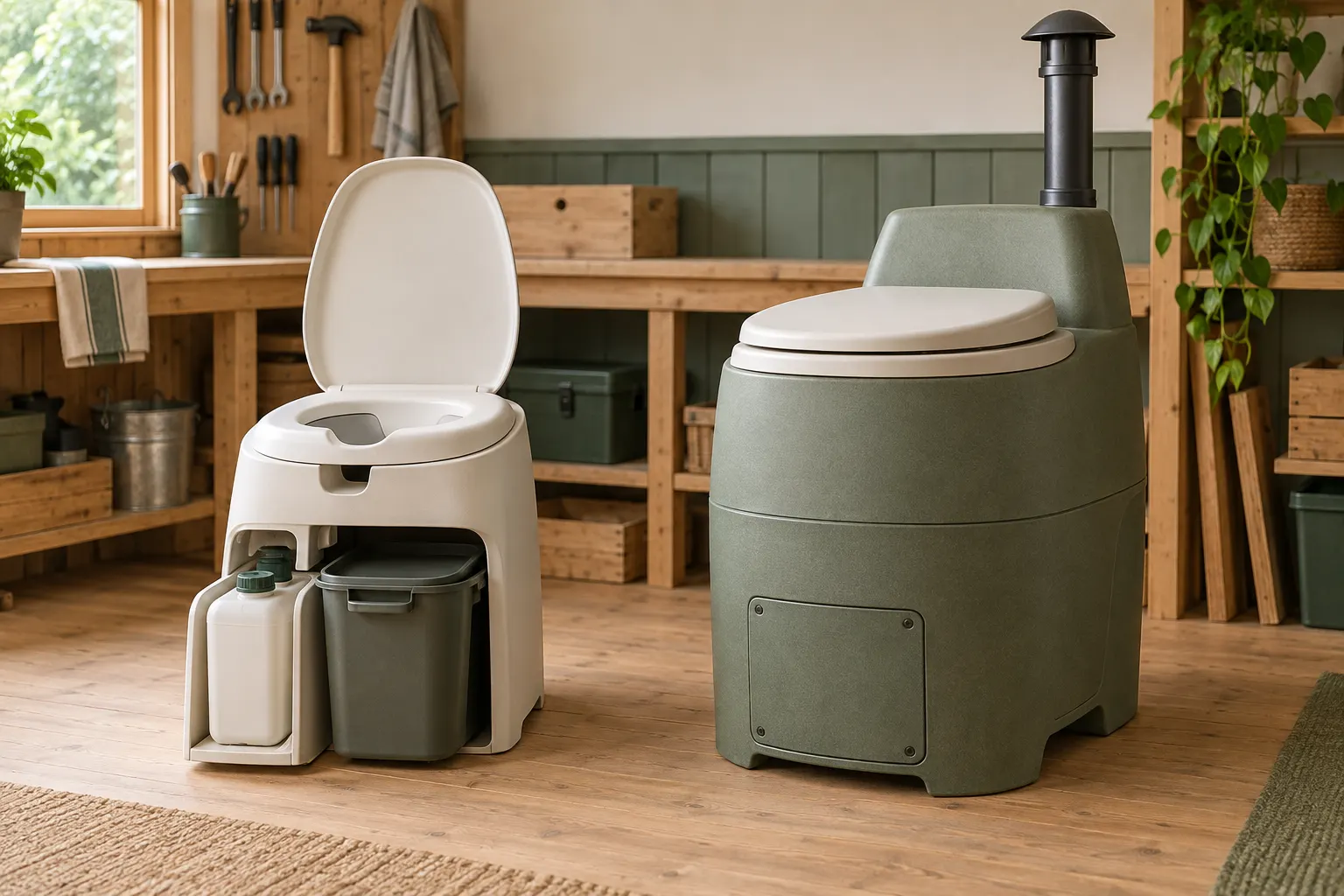
Before cleaning a separating toilet, identify the exact model and make a separate instruction for each component. The seat and separator, liquid container, solids container, and any membrane or filter need their own entries. Choose products and methods from the applicable manufacturer instructions, then keep that short care plan beside the toilet.
The useful decision is whether a particular method is approved for the particular part in your hand. A general internet recipe cannot answer that reliably.
Start with the model and document
Record the brand, model, size and any identifying label. Find the manufacturer’s instructions and check that the document covers those details. Save its title, revision if shown, and the page containing cleaning guidance.
Nature’s Head’s support page distinguishes the standard toilet, Weekender and separate urine-diverter models, directing owners to different documents. That is a practical reminder to identify the toilet before selecting instructions. Nature’s Head manuals and installation guides.
For a Trelino model covered by its generic instructions, start at the manufacturer’s manual downloads. The linked Trelino instruction manual includes an English cleaning section on PDF page nine. Confirm that your model is covered before using it.
If the supplied booklet and an online article differ, pause the disputed step and ask the manufacturer which instruction applies to your version. Keep a note of the answer with the care card. Choosing the stronger cleaner or more frequent routine is not a substitute for resolving the discrepancy.
Give each component its own line
Use four entries in your plan. Leave an entry unresolved until you have found an applicable instruction.
Seat and separating insert. Record the permitted wiping method, product and tool. Keep the liquid opening visible while checking the instructions: cleaning the surrounding surface and keeping the opening clear are distinct tasks. Nature’s Head’s FAQ warns that paper entering its urine drain holes can block the urine trap. Nature’s Head cleaning and care FAQ.
Liquid container. Record the container-care method separately from the seat routine. Include the lid and any fitted membrane as separate details. The Trelino manual places a specific restriction on cleaner contact with its lid membrane, demonstrating why permission to clean a canister does not automatically cover every attached part. Follow the exact product instructions rather than transferring a canister treatment to the lid assembly. Trelino instruction manual.
Solids container. Look for the manufacturer’s instructions for the container itself. Do not infer the method from its marketing category or from the appearance of another toilet. If the instructions distinguish routine servicing from exceptional cleaning, retain that distinction on your card. Our guide to Separating versus composting toilets helps clarify the system you are maintaining.
Small parts and exterior materials. Add membranes, removable fittings, filters and any wooden surfaces that your model actually has. Record which parts are removable and what the instructions say about care and replacement. Avoid creating a generic disassembly sequence: a part that looks detachable is not sufficient evidence that it should be removed for routine cleaning.
Check the tool as carefully as the cleaner
A cleaner name is only part of a usable instruction. The tool touching the surface matters too. Nature’s Head’s FAQ excludes abrasive products, scratch pads and several familiar household toilet-cleaning tools for its toilet. Trelino’s manual also excludes abrasive sponges and sharp-edged objects. These are manufacturer-specific restrictions to carry onto the relevant care card. Nature’s Head FAQ, Trelino instruction manual.
Do not treat appliance cleaning as an automatic shortcut. Trelino explicitly says its containers and accessories are unsuitable for a dishwasher or washing machine. Keep that restriction attached to those parts in the plan. Trelino instruction manual.
Where a source describes a cleaning preparation, refer to its exact instructions rather than copying a dilution into a universal household recipe. A ratio without the specified starting product and component restrictions is an incomplete instruction.
Separate everyday wiping from service-day care
Make two short lists: work after use or when needed, and work associated with container servicing. Trelino’s manufacturer cleaning article distinguishes the separator, liquid canister and solids container, rather than describing one whole-toilet operation. Use that distinction as an organisational aid, while taking the actual method from the applicable manual. Trelino cleaning guidance.
An explicitly hypothetical example: two people share a cabin toilet. Their care card records the manual-approved insert wipe under everyday care. A second line records the liquid-container method and lid checks for service day. The solids-container line has its own instruction and reference. A final entry flags an unanswered question about a replacement membrane, so neither person improvises a treatment for it.
The example specifies responsibilities, not a cleaning frequency for your toilet. Plan servicing around your usage and the model instructions; the existing Capacity and service-interval guide helps organise that separate decision.
Make the routine easy to hand over
Finish the card with five details for every component: method, permitted product, permitted tool, trigger for care, and manual reference. Label unresolved entries clearly. Keep the full document available so another user can check the context rather than relying on an abbreviated note.
If deposits or poor drainage remain, record the affected component and seek model-specific guidance before escalating the treatment. A successful-looking wipe does not establish a sanitation outcome, and this care plan does not assess waste treatment. Its purpose is narrower and useful: make the approved routine clear enough to follow consistently.
Work through your own plan
Off-grid toilet installation checklist builder
What must be resolved before fitting this toilet?
Continue planning
Related guides

Portable toilet comparison
Best portable composting toilet for a campervan: keep the trip simple
Capacity planning
Waterless toilet capacity: estimate a realistic emptying interval
Campervan toilet service access